

Designing With Light | Candela Architecture
At Candela Architecture, we believe light is more than illumination, light is the quiet framework that defines how we experience space. In the varied climates of Southland and Central Otago, light can be gentle, fierce, fleeting and golden. Understanding how it behaves is fundamental to good design.
Across New Zealand, homes succeed or fail not by how much light they have, but by how that light is shaped; how it moves through rooms, across seasons, and through the lives within them. Here we look at a few ideas and precedents that continue to inspire the way we design.
Light as a Material
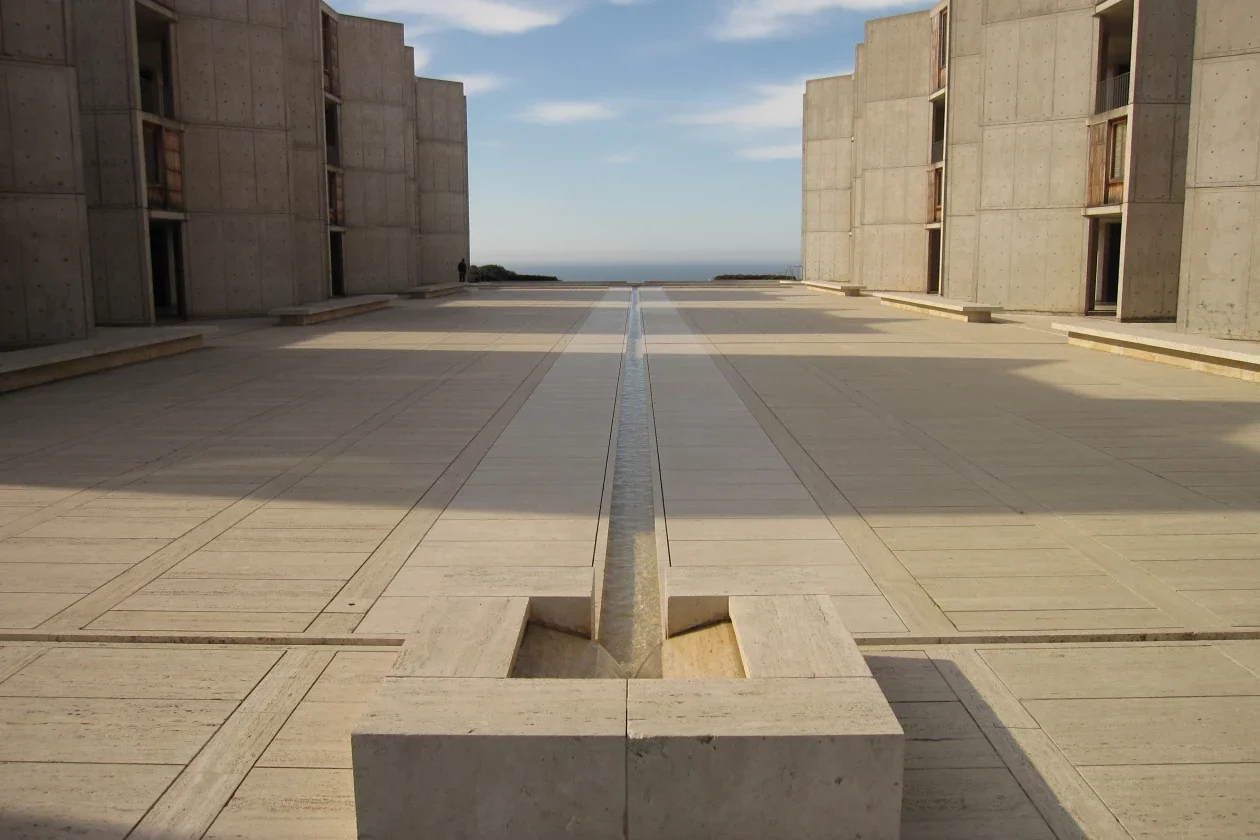
Louis Kahn // Salk Institute, La Jolla, USA // 1965
Light is a building material. It has texture, density and direction. It defines volume and mood as powerfully as timber or stone. Designing with light means shaping not just visibility but emotion; the quiet joy of morning light on a wall or the calm of shadow after sunset.
Framing the Sun
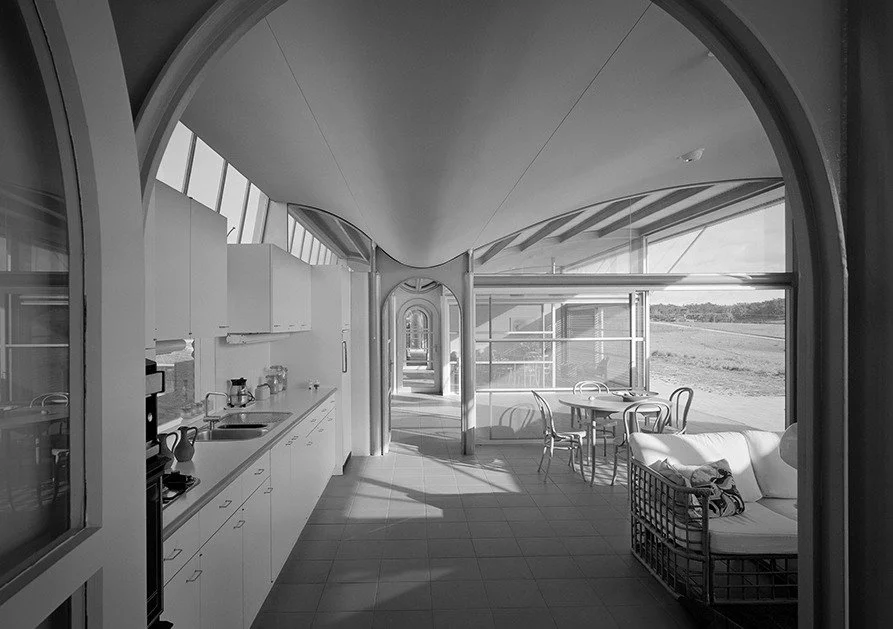
Glenn Murcutt // Magney House, NSW // 1983-84
Orientation is the first act of architecture. In Southland’s low-angled winter sun or Central Otago’s intense glare, the placement of windows and eaves determines comfort, efficiency, and cost.
Simple adjustments, extending an eave by 300 mm or rotating a plan a few degrees, can transform the feel of a home.
Shadow as Architecture
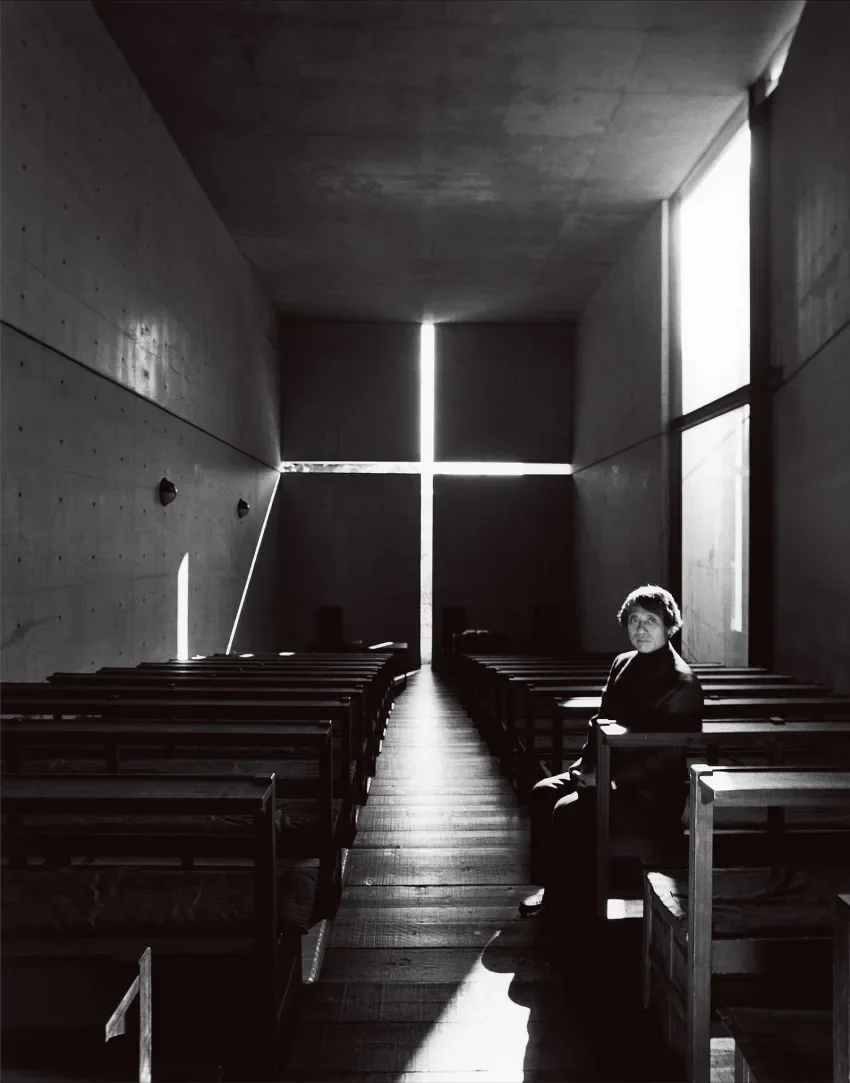
Tadao Ando // Church of the Light, Osaka // 1989
Shadow is not always the absence of light, it can form the structure.
In the clear southern light of New Zealand, too much brightness can flatten a space. Controlled shadow gives depth, contrast, and calm. Screens, considered openings and deep reveals create rhythms of brightness that make rooms feel composed, not exposed.
The Light Between
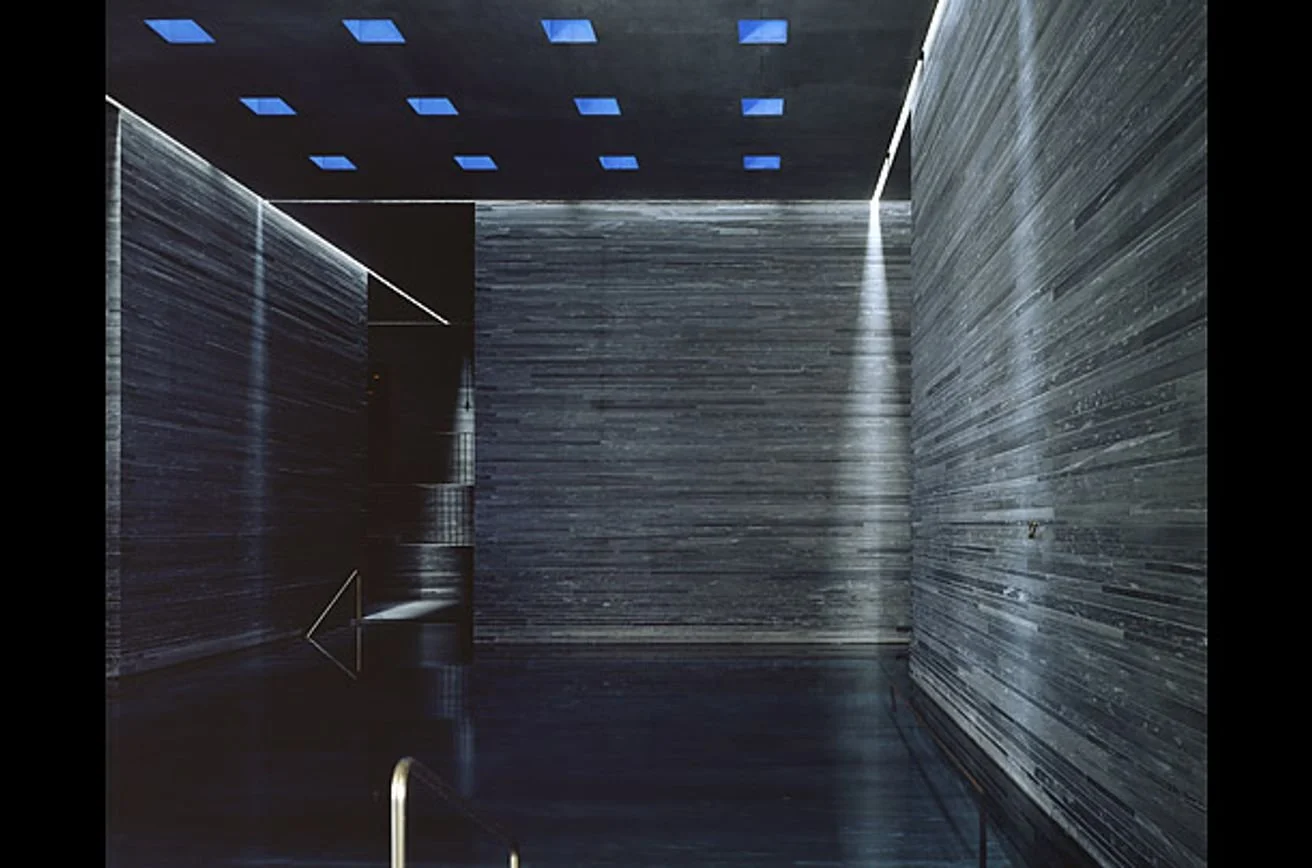
Peter Zumthor // Therme Vals, Switzerland // 1996
Between full sun and darkness is the light we live in most; reflected, bounced, dappled.
A slatted screen or a pale timber ceiling can turn harsh light into atmosphere.
These small calibrations give a home texture and tenderness, allowing natural light to play quietly throughout the day.
Artificial Light as Atmosphere

Álvaro Siza // International Furniture Fair Pavillion, China // 2019
When natural light fades, architecture continues through artificial light.
A layered approach allows mood to shift through the evening. Lighting should reveal material textures, not erase them, and should complement the daylighting strategy rather than compete with it.
Night-Time Architecture
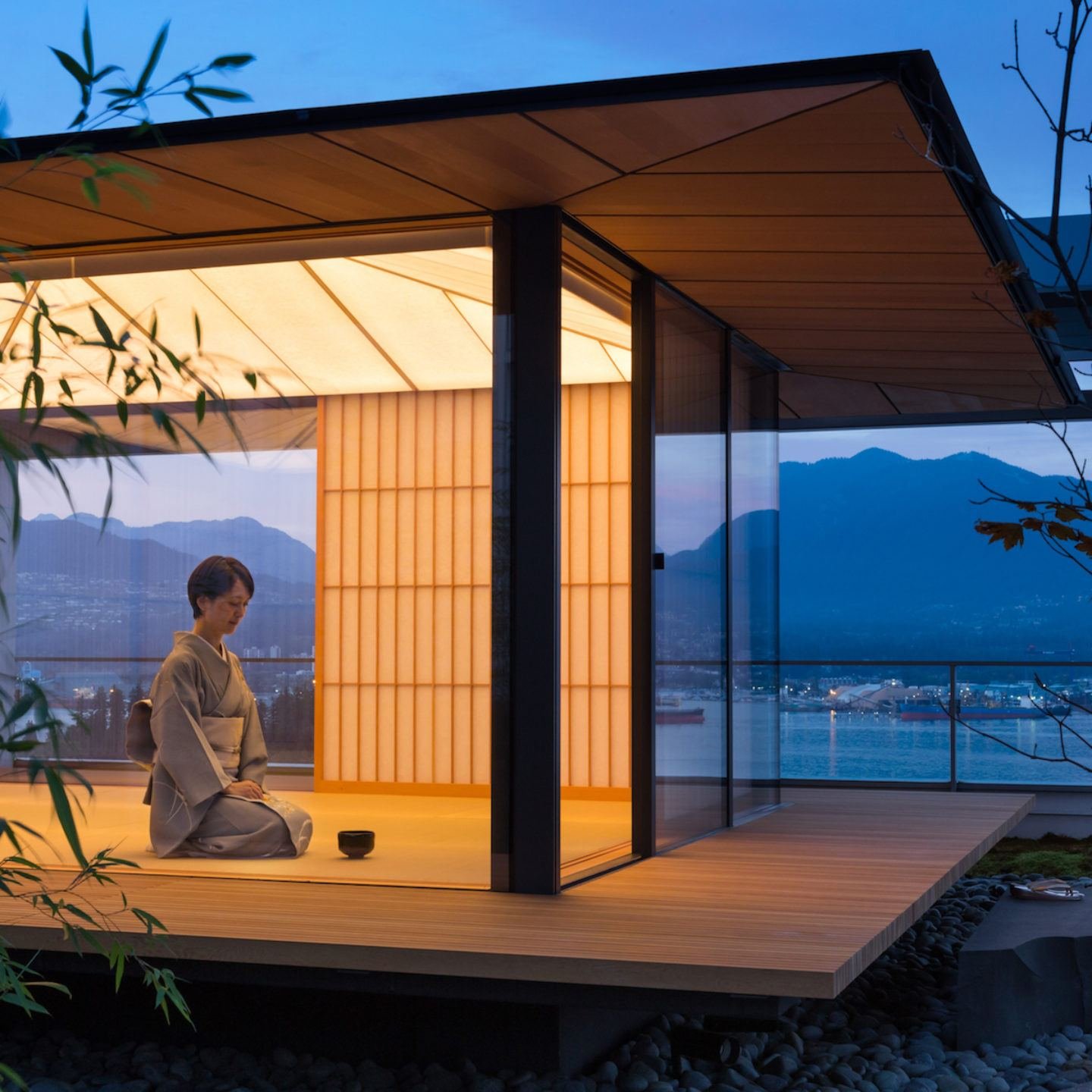
Kengo Kuma // Rooftop Tea House, Canada // 2018
At night, a home becomes part of its landscape, a lantern in the dark.
Exterior light should trace paths and frame views, not overwhelm them.
Moonlight, reflection and restraint connect the interior back to the garden and sky, completing the full cycle of light.
Conclusion: Designing with Light
Light reveals how we want to live; when we rise, where we gather, how we rest.
At Candela Architecture, our work in Southland, Central Otago, and across New Zealand begins with light; shaping homes that feel warm in winter, cool in summer, and alive in every season.
