

Designing for Site | Candela Architecture
A house that responds to its site can feel dramatically better to live in and it usually costs no more to build.
When people first speak with someone about designing a new home, renovation, or infill development, one phrase comes up repeatedly:
“We design the house for the site.”
For many people this can sound like architectural jargon. But in reality, it’s one of the simplest, and most important, ideas behind good residential architecture.
Every piece of land has its own characteristics.
The sun moves across it in a certain way.
The wind comes from particular directions.
Views open up in some places and close down in others.
A well-designed home simply responds to those conditions.
Whether you are planning a new home in Invercargill, a house design in Queenstown or Wanaka, or a renovation or subdivision in Central Otago, the site itself should guide the design.
These decisions usually represent only a tiny fraction of the total building cost, but they can transform how a home feels to live in.
Orientation to the Sun Matters More Than Most People Realise
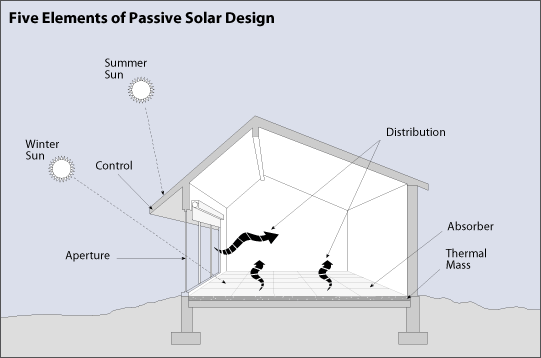
At Candela Architecture, we work with clients across Central Otago and Southland to design homes that feel comfortable, practical, and connected to their surroundings
In New Zealand residential architecture, sun orientation is one of the biggest drivers of good design.
A house positioned thoughtfully on its section can:
Capture low winter sun to naturally warm living spaces, while reducing overheating in Summer
Reduce reliance on heating
Bring daylight deep into the home
Avoid overheating in summer
Two houses of identical size and cost can feel completely different depending on how they are positioned on the land.
One may feel bright, warm, and comfortable.
The other may feel dark and cold for much of the year.
This is why architects designing homes in Southland, Invercargill, Queenstown, Wanaka and Central Otago almost always begin by asking:
Where is north?
Views, Privacy and Outdoor Living
Most sites offer something worth responding to.
It might be:
A mountain view
A glimpse of water
neighbouring homes that overlook the site
Mature trees
Afternoon sun
Or a quiet sheltered corner of the section
Designing a home for the site allows us to frame these opportunities while protecting privacy.
Small layout decisions can:
Capture views through carefully placed windows
Create sheltered, private, outdoor living spaces
Avoid direct views from neighbouring houses
Align interior rooms with the landscape
Often these improvements cost nothing to build; they simply come from thoughtful planning during the design stage.
Working With the Land
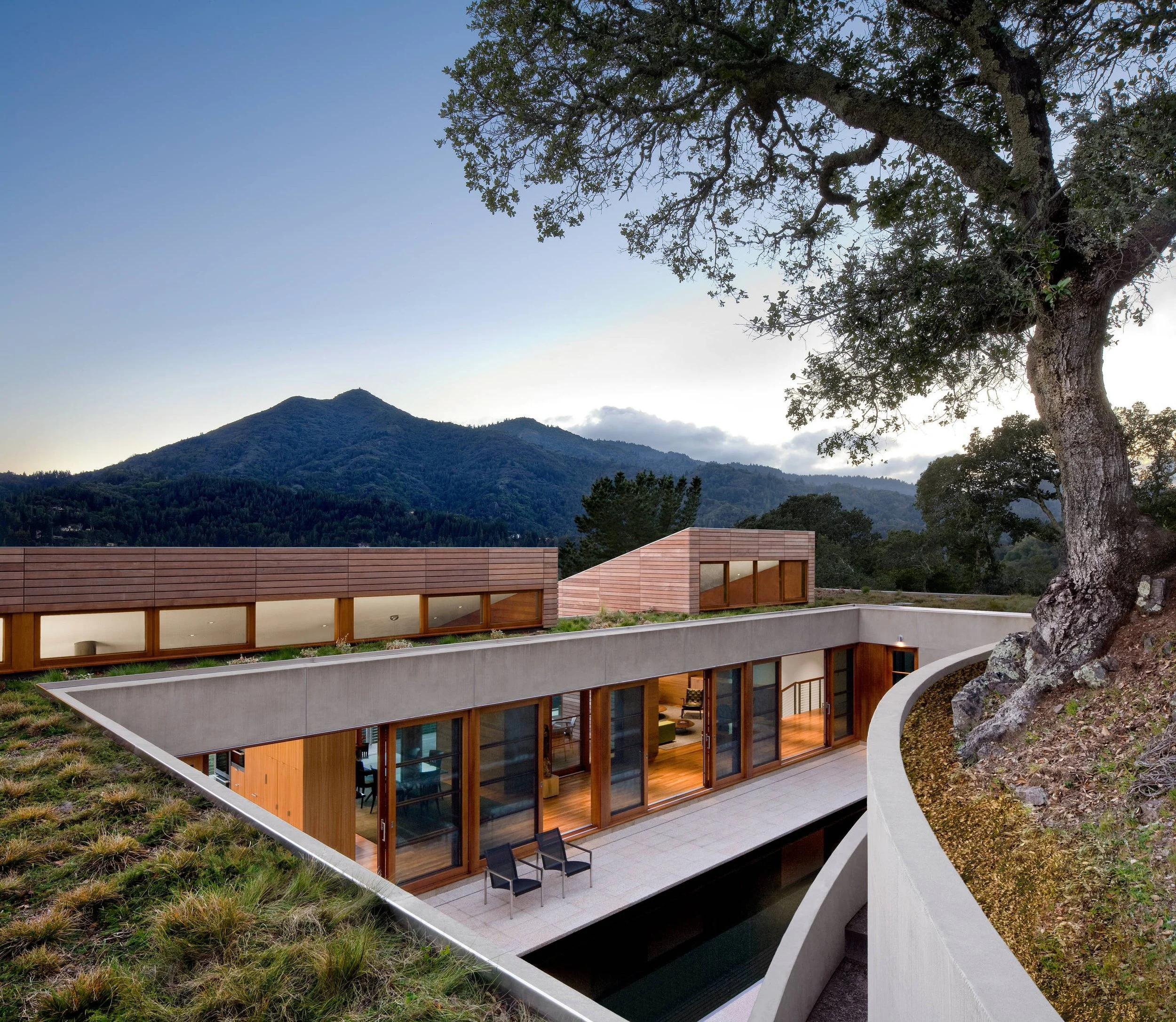
Many sections across Central Otago, Queenstown and Wanaka have natural slopes or changing ground levels.
Rather than fighting this, good design often works with it.
Responding to the land can allow:
Split-level layouts that feel more spacious
Garages tucked neatly beneath the house
Elevated views across the landscape
Outdoor areas that step naturally with the terrain
In some cases this can even reduce earthworks and retaining walls, which can simplify construction.
A home that follows the land often feels more natural and often costs less to build than one forced onto a flat platform.
Climate, Wind and Shelter
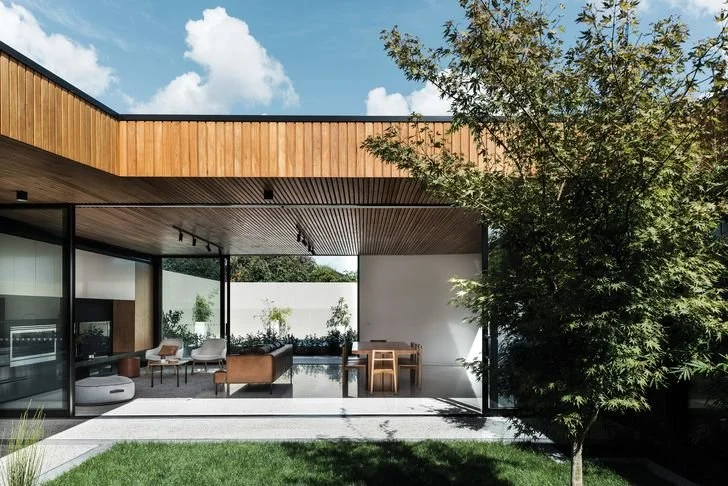
Every site has its own microclimate.
Some properties are exposed to strong winds. Others are sheltered by hills, trees, or neighbouring buildings.
Designing for the site allows architects to:
Protect outdoor living areas from prevailing winds
Capture warmth and sunlight
Create sheltered courtyards and terraces
Encourage natural cross-ventilation
These decisions can dramatically affect how often outdoor spaces are used.
A well-positioned outdoor area can become the heart of the home.
Why Site-Responsive Design Feels So Different
Perhaps the biggest reason architects talk so often about designing for the site is simple.
Homes designed this way just feel better to live in.
The spaces make sense.
Light enters rooms at the right times of day.
Views appear where you expect them.
Outdoor areas feel comfortable and protected.
The house doesn’t feel like it has been dropped onto the land; it feels like it belongs there.
Good Design Doesn’t Have to Cost More
One of the most common misconceptions about architecture is that good design automatically means higher construction costs.
In reality, many of the decisions that make a home feel special happen long before construction begins.
They happen in the early design stages:
How the house sits on the site
Where the living areas are placed
How windows frame views
How outdoor spaces connect with the home
These decisions may represent a very small fraction of the overall build cost, yet they can dramatically improve the quality of everyday living.
Designing Homes Across Southland and Central Otago
At Candela Architecture, much of our work involves designing new homes, renovations, infill housing across Invercargill, Queenstown, Wanaka and Central Otago.
Every site is different.
Our approach is always to start by understanding the land; the sun, the views, the topography and the surrounding neighbourhood and letting those things guide the design.
Because when a home is designed for its site, the result almost always feels more comfortable, more natural, and more connected to the place it sits.
And often, it doesn’t cost any more to build at all.
