

Architecture is often discussed in terms of appearance or function, but the spaces we inhabit influence us in much deeper ways. The way a home is arranged, how sunlight enters a room, and the materials that surround us can shape our mood, behaviour, and daily routines.
Good residential design considers these subtle influences. When a home is carefully planned, the spaces we move through each day can feel calm, comfortable, and uplifting.
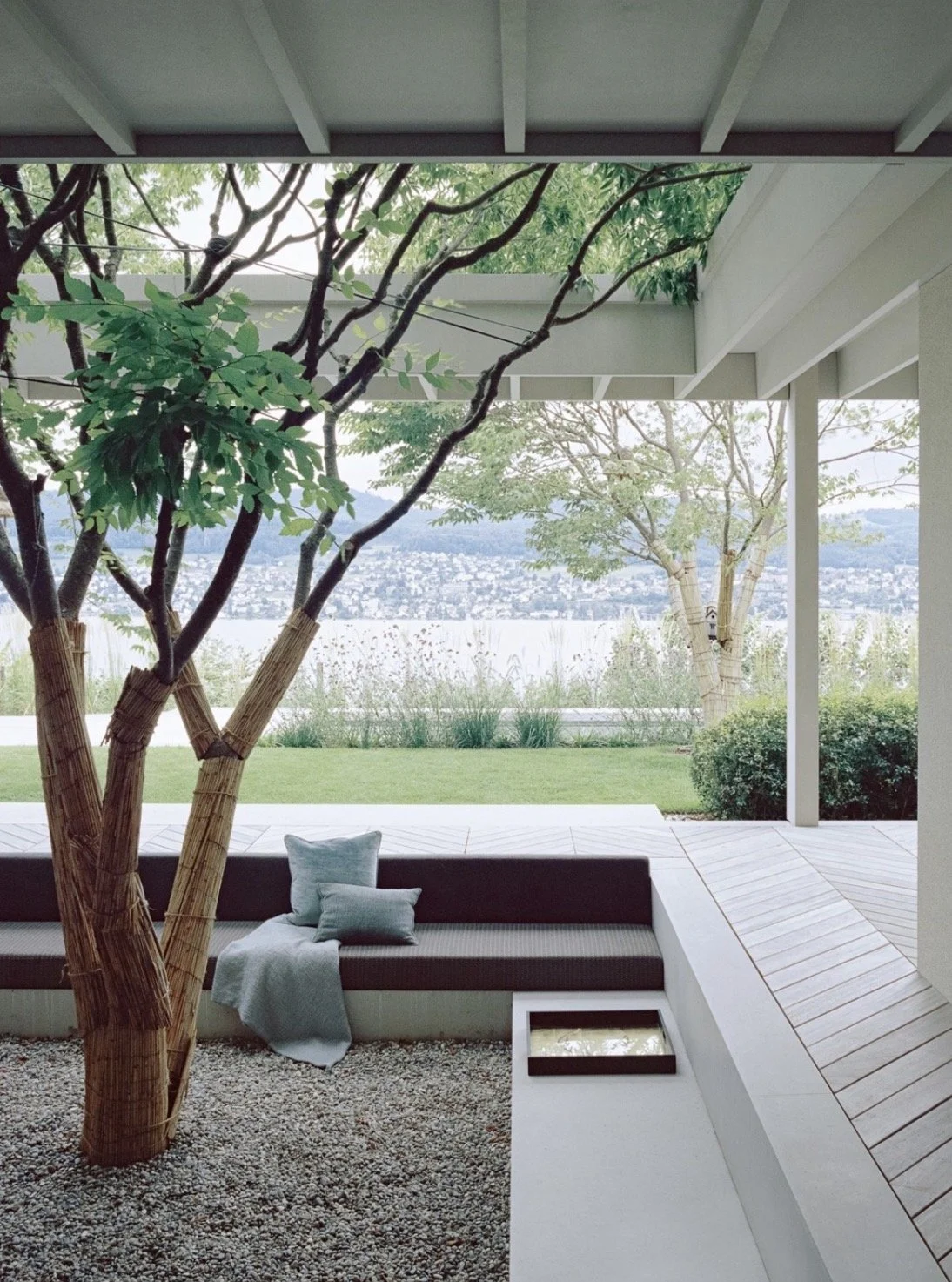
At Candela Architecture, we work with clients across Central Otago and Southland to design homes that feel comfortable, practical, and connected to their surroundings
Space and How We Experience It
Space is never neutral. The scale and arrangement of rooms affect how we experience them. A generous living area filled with daylight can feel open and energising, while smaller spaces may provide a sense of privacy and retreat. Thoughtful architectural design considers how these spaces relate to one another. Circulation, ceiling height, and the connection between rooms all influence how a home feels throughout the day.
The Importance of Natural Light
Natural light is one of the most powerful elements in residential architecture. Sunlight can transform a space, making it feel warmer, brighter, and more comfortable to live in. Homes designed in places like Central Otago, Queenstown, Wanaka, Cromwell and Alexandra often benefit from strong sunlight and clear seasonal changes. Careful orientation allows living spaces to capture winter sun while remaining comfortable during the height of summer. Designing for sunlight is not just about energy efficiency; it shapes the atmosphere of a home and how people experience it each day.
Materials, Colour, and Comfort
The materials used within a home also influence how a space feels. Natural materials such as timber or stone often bring warmth and texture, creating a sense of comfort and connection to the surrounding landscape. Colour and light interact in similar ways. Lighter surfaces can help distribute daylight deeper into rooms, while darker or textured materials can create depth and intimacy. These decisions may seem subtle, but together they help create spaces that feel balanced and comfortable.
Spaces That Encourage Connection
Architecture also shapes how people interact. Open living areas can encourage social connection, while quieter rooms provide places for rest, focus, or retreat. Many modern homes balance these ideas by combining open plan living with smaller, flexible spaces. This allows the home to adapt to different activities throughout the day.
Designing Homes That Feel Good to Live In
Ultimately, architecture is about shaping environments where everyday life happens. The most successful homes are not simply well built; they are carefully designed to respond to light, landscape, and the people who live within them.
At Candela Architecture, we work with clients across Central Otago, Queenstown, Wanaka, Alexandra, Crowmell and Southland to design homes that feel comfortable, practical, and connected to their surroundings. By considering how architecture influences mood, movement, and daily routines, thoughtful design can create spaces that truly enhance the experience of living.
